Wednesday, June 14, 2023

The Albums of 1973: Paul Simon: There Goes Rhymin' Simon


Release Date: May 5, 1973

Side One: Kodachrome; Tenderness; Take Me to the Mardi Gras; Something So Right; One Man's Ceiling is Another Man's Floor

Side Two: American Tune; Was a Sunny Day; Learn How to Fall; St. Judy's Comet; Loves Me Like a Rock

Paul Simon's third solo album is a collection of catchy tunes, both observational and introspective. "Kodachrome" falls into that category, a standard of FM soft rock. "Tenderness" is a sleepy but direct plea for mutual understanding in a relationship. "Take Me to the Mardi Gras" is wonderfully arranged, blending Dixieland with pop. "Something So Right" is poetical expression of self-realization. "One Man's Ceiling is Another Man's Floor" sounds inspired by Randy Newman with its opaque, whimsical narrative. It's impossible not to hear "American Tune" as a follow up to Simon & Garfunkel's "America", a mostly apolitical approaching middle age moment of reckoning (yet poignant). "Was a Sunny Day" borders on parodical folk, "How to Fall" spins childish fable, while "St. Judy's Comet" is a slightly neurotic lullaby, and the popular "Loves Me Like a Rock" ends the record on a jaunty note. There Goes Rhymin' Simon is impeccably eclectic record that goes down easy.

Sunday, June 11, 2023

REM #8: Automatic For The People


Release Date: October 5, 1992

Members: Michael Stipe (vocals); Peter Buck (guitars); Michael Mills (bass, keyboards); Bill Berry (percussion)

Produced by Scott Litt & REM

Side One: Drive; Try Not To Breathe; The Sidewinder Sleeps Tonight; Everybody Hurts; New Orleans Instrumental No. 1; Sweetness Follows

Side Two: Monty Got a Raw Deal; Ignoreland; Star Me Kitten; Man on the Moon; Nightswimming; Find the River

Automatic For The People is considered by many REM's best album. Released a month before the 1992 Presidential election that would elect Bill Clinton, the record is both looking back and exploring how to move forward. With the band entering their 30s and the musical landscape in flux, they made an impassioned effort to push their sound to its limits.  A philosophical album as well, many songs deal with mortality, memory, but also living.

"Drive", like the opening track Murmur "Radio Free Europe." is a clarion call, a displaced anthem with references to the past and present aimed at young people, performed in Stipe's opaque style with a big production with a string section. On "Try Not To Breathe" Stipe takes on persona of a dying woman imploring her family not to worry, a heavy track full of drone and poignancy.  

"The Sidewinder Sleeps Tonight" has Stipe inhabiting another character, a recluse (possibly a fading rock star) enjoying solitude and the mundane. References to consumer brands like Nescafe and Dr. Seuss create a blissful setting, the production adds an epic quality (also dated now with the recurring image of the pay phone). 

"Everybody Hurts" is perhaps the most straight forward ballad REM had recorded up to that point. With an iconic video and powerful lyrics with the majestic production, the song transcended the band. The swampy "New Orleans Instrumental No. 1" serves as a welcoming coda to "Everybody Hurts." The sublime "Sweetness Follows" is another meditation on mortality, ending the first side on a dirge. 

"Monty Got a Raw Deal" is (probably) about the life of actor Montgomery Clift (1920-1966), or in a larger sense the fate of celebrity (works as a companion to the Clash song "The Right Profile"). "Ignoreland" condemns the course of America under the Reagan-Bush regime, the non-confrontational stance of the media, and mentality of the "Super US Citizen." The issues mentioned in the song have not gone way, but more amplified. "Star Me Kitten" is a complex love song, full of drone and droll humor.

Written as a tribute to the late comedian Andy Kaufman (1949-1984), "Man in the Moon" paints a phantasmagoric portrait of the recent past. Major historical figures are referenced alongside cult heroes like Kaufman and the wrestler Fred Blassie, and of course Elvis, who Stipe playfully mimics. The iconoclastic nature of Kaufman, finding humor by exploring the edges, takes on a prophetic meaning.

"Nightswimming" is another ode to solitude, with a simpler arrangement of piano and strings. "Find the River" ends the album on a note of continuity with its metaphorical river journey, encapsulating many of the ideas on the record.

Automatic for the People solidified REM as a musical force for the 1990s, an album of great depth, of its time, but also one of universal themes that seamlessly project into the 21st Century. 

A 40-minute interview with Michael Stipe and Mike Mills on the making of the record:


Friday, June 9, 2023

REM #7: Out of Time


Release Date: March 12, 1991

Members: Michael Stipe (vocals); Peter Buck (guitars); Michael Mills (bass, keyboards); Bill Berry (percussion)

Produced by Scott Litt & REM

Side One: Radio Song; Losing My Religion; Low; Near Wild Heaven; Endgame

Side Two: Shiny Happy People; Belong; Half a World Away; Texarkana; Country Feedback; Me in Honey

After an exhaustive tour in 1989 in support of Green, REM kept a low profile for a few years but returned with another massively successful album in 1991, Out of Time. Eclectic and more introspective than Green, the record solidified REM as a musical force for the '90s.

"Radio Song" opens the album with melodic hooks and mass media commentary, with hip hop artist KRS-One providing backup vocals. "Losing My Religion" became REM's biggest hit to date, with an iconic video that got constant airplay on MTV. The title was according to Michael Stipe a Southern expression for a heart breaking, the soul-searching lyrics made it perfect anthem about angst and young adulthood. "Low" is more of a hypnotic pop song, the barebones arrangement amplifies the talents of the entire band: Berry's moody percussion, Mills playing a haunting organ, Buck with a catchy riff, and Stipe's distinct vocal performance. "Near Wild Heaven" was written and sung by Mills is more of an upbeat love song with echoes of '60s pop. "Endgame" is an elegant instrumental, a dreamy psychedelia piece.

Another hit single, "Shiny Happy People" featured Kate Pierson from the B-52's on vocals, was on the surface readily made for Sesame Street (according to Stipe the lyrics were inspired Chinese State propaganda after the Tiananmen Square protests). A controversial song in the REM canon, but it shouldn't be. On "Belong" Stipe sings in spoken word lyrics, returning to familiar themes of family bonds and freedom. "Half A World Away" blends classical with pop, thematically similar to the previous track. "Texarkana" is a Gen-X Americana, while "Country Feedback" continues in sojourn mode. "Me in Honey" manages to evolve into an uplifting rocker to end the album.

Out of Time is a confident, and at times, great record. The band was meeting and experimenting with the challenge of achieving (and being) a mainstream success. With a mass audience ready to embrace them, REM was starting to transcend their college rock sound and becoming a cultural force through their own music and personas. 

Thursday, May 4, 2023

REM #6: Green


Release Date: November 7, 1988

Members: Michael Stipe (vocals); Peter Buck (guitars); Michael Mills (bass, keyboards); Bill Berry (percussion)

Produced by Scott Litt & REM

Side One: Pop Song 89; Get Up; You Are the Everything; Stand; World Leader Pretend; The Wrong Child

Side Two: Orange Crush; Turn You Inside-Out; Hairshirt; I Remember California; Untitled

Green would be the final REM album of the 1980s, a decade whose sound the band played a big role in shaping. Coincided to be released on day of the 1988 Presidential Election between George Bush and Michael Dukakis (REM campaigned for Democratic candidates), Green marked where the band had been and where it was going as the '90s beckoned.

Originally intended to be one half electric and other acoustic, the record waltzes between radio friendly numbers, social commentary, and introspective acoustic numbers. "Pop Song 89" comments on Gen X dissonance as the '80s were closing, bolstered by Peter Buck's melodic guitar hooks. "Get Up" is the most playful number on the record, an ode to indolence reminiscent of Lennon's "I'm Only Sleeping" with some Beach Boys harmonies added in for good measure.

"You Are the Everything" channels Walt Whitman with its embrace of experience, the closest REM comes to straight up love song. "Stand" channels '60s bubblegum pop and self-help mantras, becoming a hit single. "World Leader Pretend" may be told from the perspective of someone with power who feels powerless in a wonderfully sublime and evocative track. In contrast, "The Wrong Child" is mostly acoustic, told from child's perspective who feels like an outsider.

"Orange Crush" is a more direct song dealing with the use of toxic Agent Orange by the American military during the Vietnam War. "Turn You Inside-Out" is about power and relationships, metaphorical on many levels, Stipe sings with a sarcastic edge. "Hairshirt" meanders a bit, an emotional examination of another power relationship. "I Remember California" is conniving and cryptic. "Untitled" ends the record on a reflective note.

Green has a sense of weariness and circling introspection that somehow makes it less accessible than previous REM albums even though it's full of catchy tunes.

Thursday, April 27, 2023

The Albums of 1973: Faust: Faust IV


Release Date: September 21, 1973

Members: Werner "Zappi"Diermaier (drums); Hans Joachim Irmler (organ); Jean-Herve Peron (vocals, bass); Rudolf Sosna (vocals, guitar, keyboards); Gunther Wusthoff (synthesizer, sax)

Produced by Uwe Nettlebeck

Side One: Krautrock; The Sad Skinhead; Jennifer

Side Two: Just a Second; Giggy Smile/Picnic on a Frozen River/Deuxieme Tableau; Lauft . .Heibt Das Es Lauft; Oder Es Kommt Bald . . .Lauft; It's a Bit of a Pain

Experimental German band Faust released their fourth album in 1973, appropriately titled, Faust IV

"Krautrock" opens the album with 12 minutes of drone, synth, and tape loops in a collage of electric noise. "The Sad Skinhead" is more of a pop song and a strange one that. "Jennifer" is both hypnotic and epic with its minimal lyrics (and a surreal fadeout to a Western piano). "Just a Second" is a medley of sound collages, "Giggy Smile" moves from art pop into free jazz (ends with shattering guitar solo). The one with the long German title blends together folk and closes out with a meditative synth/organ piece. "It's a Bit of a Pain" is a pretty cool song.

Faust IV must've offered a breath of fresh air in its stretching of the album. Neither indulgent (or downright cheesy) like much of prog-rock, it offered a sonic experience for the mind, ready made for repeated plays.


Sunday, April 23, 2023

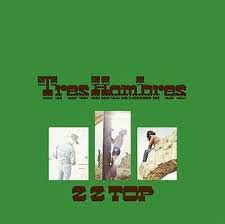
The Albums of 1973: ZZ Top: Tres Hombres


Release Date: July 26, 1973

Members: Billy Gibbons (vocals, guitar); Dusty Hill (bass, vocals); Frank Beard (drums)

Produced by Bill Ham

Side One: Waitin' For the Bus; Jesus Just Left Chicago; Beer Drinkers & Hell Raisers; Master of Sparks; Hot, Blue and Righteous

Side Two: Move on Down the Line; Precious and Grace; La Grange; Sheik; Have You Heard?

The third album by the Texas trio ZZ Top is a solid 33 minutes of blues-based tock. The riffs are razor sharp; the tracks get right down to business. 

"Waitin' for the Bus" and "Jesus Just Left Chicago" are banded together to start the record, are both straight up blues, the latter a sort of hip gospel. I imagine "Beer Drinkers & Hell Raisers" is about playing some of the toughest joints in Texas, certainly not Led Zeppelin country. "Master of Sparks" is allegedly a true story about some crazy driving around the highways of Houston. "Hot, Blue, and Righteous" ends Side One on a soulful note.

"Move on Down the Line" sounds like a lost track from Exile on Main Street, followed by another road rocker, "Precious and Grace." "La Grange" was inspired by a John Lee Hooker groove and became one of ZZ Top's first hits and a staple of FM radio. "Sheik" features more intricate guitar work with a swampier sound. "Have You Heard" is another synthesis of the spiritual and the blues.

Tres Hombres sounds refreshing in 2023, as most of the tracks are around three minutes, while the production and playing are air tight.

The Albums of 1973: The O'Jays: Ship Ahoy


Release Date: August 1, 1972

Members: Eddie Levert; Walter Williams; William Powell

Produced by Kenny Gamble & Leon Huff

Track List: Side One: Put Your Hands Together; Ship Ahoy; The Air I Breath; You Got Your Hooks in Me

Side Two: For the Love of Money; Now That We Found Love; Don't Call Me Brother; People Keep Tellin' Me

The O'Jays returned in 1973 with Ship Ahoy, a powerful follow-up to their classic recorded the year before, Backstabbers.

"Put Your Hands Together" opened the record with a call for unity, gospel infused with the bold horns, strings, and vocals.

An epic at nine minutes "Ship Ahoy" is a recounting of the Middle Passage, following a slave ship from Africa to the Americas. Originally intended for the soundtrack for the 1973 film Shaft in Africa, the track is a marvel of production, a haunting and essential meditation on the past and present. "This Air I Breath" is ecologically themed, a call for cleaner air. "You Got Your Hooks in Me" is a romantically themed pledge of devotion.

"For the Love of Money" gained a life of its own in many movies about greed (and a certain reality show). "Now That We Found Love" muses over the challenges of a relationship. "Don't Call Me Brother" is another nine-minute track, calling out phony friends, the takers of the world. 'People Keep Tellin' Me" ends the record on a note of faith and persistence in the face of turmoil. 

Ship Ahoy is an album of conflicting moods reflecting on the early 1970s, the current state of the world, and relationships, a classic of 70's Soul. 

Mudcrutch #2: 2

Release Date: May 20, 2016 Personnel: Tom Petty (vocals, bass); Mike Campbell (guitars); Benmont Tench (piano, organ); Tom Leadon (guitar, v...